

Night Driving with Glare: Treatment Options for Cataracts and Ocular Disease in Eagle

Driving at night can become increasingly difficult when headlights appear unusually bright, streetlights develop halos, or visibility decreases in low-light conditions. While occasional glare is common, persistent problems may indicate cataracts or other underlying eye conditions. At Six One Six Vision Center in Eagle, ID, we help patients identify the causes of nighttime vision problems and explore treatment options to improve visual comfort and safety.
Why Does Glare Become Worse at Night?
Glare occurs when light scatters within the eye, making it harder to see clearly. At night, pupils naturally dilate to let in more light, which can make certain vision problems more noticeable.
Common symptoms include:
- Halos or starbursts around headlights and streetlights
- Difficulty seeing road signs or objects in dim lighting
- Increased sensitivity to bright or approaching lights
- Blurry or hazy vision when driving after dark
- Reduced contrast between objects and their surroundings
If these symptoms become frequent, a comprehensive eye exam can help determine whether they are related to your prescription, cataracts, or ocular disease.
How Cataracts Affect Night Driving
Cataracts develop when the eye's natural lens becomes cloudy, preventing light from passing through clearly. As cataracts progress, they can scatter incoming light and increase sensitivity to glare.
Patients with cataracts may notice that nighttime driving becomes more challenging even when their daytime vision seems relatively clear. In the early stages, updated prescription glasses and anti-reflective lenses may help improve visual clarity and reduce reflections from eyeglasses. However, these options do not remove cataracts.
When cataracts significantly interfere with daily activities, cataract surgery may be recommended. During surgery, the cloudy natural lens is replaced with an artificial intraocular lens. At Six One Six Vision Center, we provide cataract evaluations and co-management to help patients understand their options and coordinate appropriate care.
Other Ocular Diseases That Can Affect Night Vision
Cataracts are not the only conditions that can make nighttime driving uncomfortable. Several eye diseases can affect visual clarity, contrast sensitivity, or the ability to adjust to changes in lighting.
Dry Eye Disease: An unstable tear film can cause fluctuating vision and increased light sensitivity. Treatment may include lubricating drops, prescription medications, or other therapies based on the underlying cause.
Glaucoma: This condition damages the optic nerve and can gradually affect peripheral vision. Early diagnosis and ongoing management are important for preserving remaining vision.
Macular Degeneration: Changes to the macula can reduce central vision and contrast sensitivity, making objects harder to distinguish in dim lighting.
Diabetic Eye Disease: Diabetes-related retinal changes can affect visual clarity and make driving more challenging, particularly when vision becomes impaired.
Treatment Options for Night Driving Glare
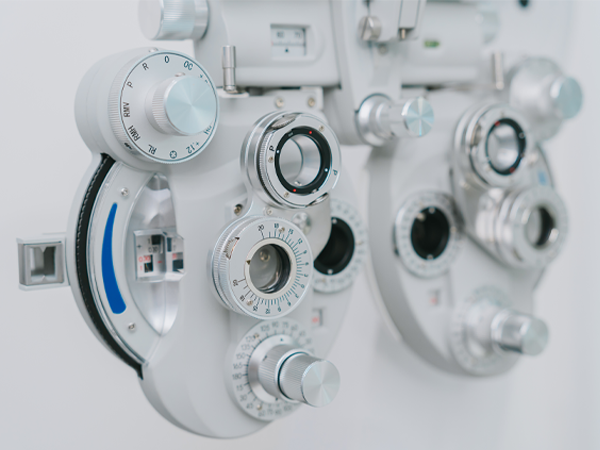
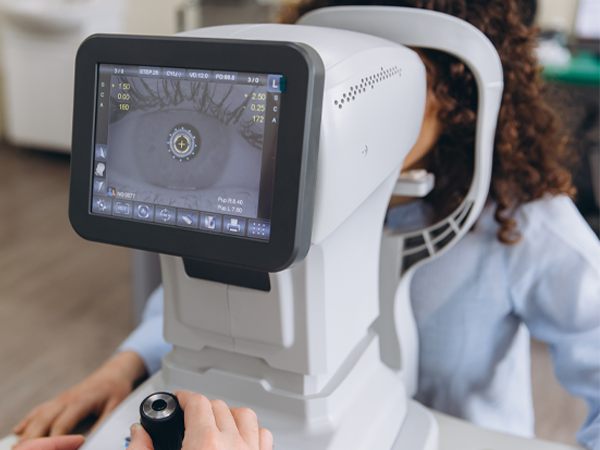
The appropriate treatment depends on what is causing the symptoms. During an eye exam at our Eagle office, we evaluate visual acuity, eye health, and potential underlying conditions. Depending on our findings, we may recommend updated prescription lenses, dry eye treatment, ongoing ocular disease management, or a cataract surgery consultation.
If glare, halos, or blurry vision are making nighttime driving more difficult, schedule a comprehensive eye exam with Six One Six Vision Center to explore treatment options for cataracts and ocular disease. Visit our office in Eagle, ID, or call (208) 514-1858 to book an appointment today.
© 2026 Six One Six Vision Center. All rights Reserved. Accessibility Statement - Privacy Policy - Sitemap
Powered by:
