

Services
Eye Care Services In Eagle, ID
We offer a wide variety of eye care services to the Eagle community. Contact us with any questions about our services.
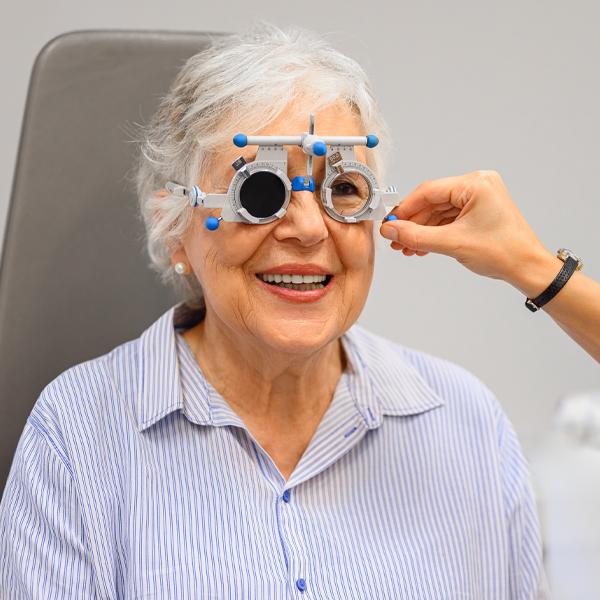
Comprehensive Eye Exam
Routine eye exams are a vital aspect of preventive eye care. Without routine eye exams, vision issues often go undetected since most eye disorders don't have clear symptoms.
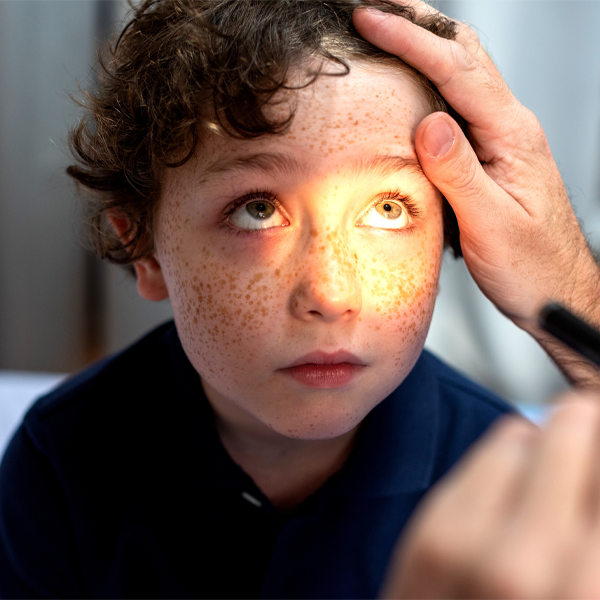
Pediatric Eye Exam
A thorough investigation of your child's overall health of the eye and the visual system is important since some childhood vision problems can lead to permanent vision loss if left untreated.

Medical Eye Exams
Medical eye exams are comprehensive evaluations of the health and function of the eyes, essential for maintaining optimal vision and preventing potential eye conditions. Regular medical eye exams are fundamental for proactive eye health management and ensuring ongoing visual wellness.
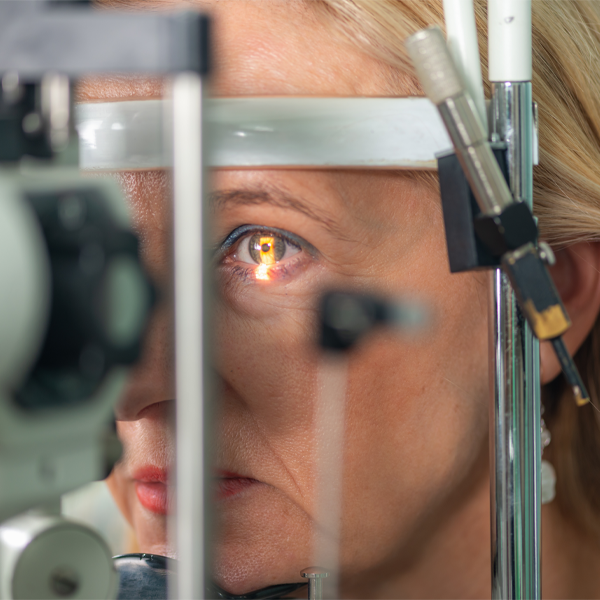
Glaucoma
If you’ve been diagnosed with glaucoma, you’re probably already familiar with the typical options in glaucoma treatment – eye drops, laser treatment or traditional surgery.
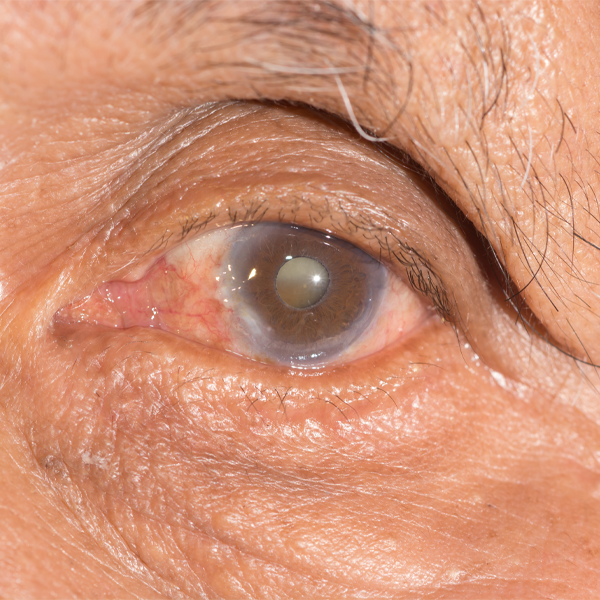
Cataracts
If you’ve been diagnosed with cataracts, you may wonder if cataract surgery is right around the corner. Not to worry. There are many preventive steps you can take to slow the progression of cataracts and preserve your vision. That doesn’t mean you won’t eventually need surgery, but you can at least delay the need for quite a while.
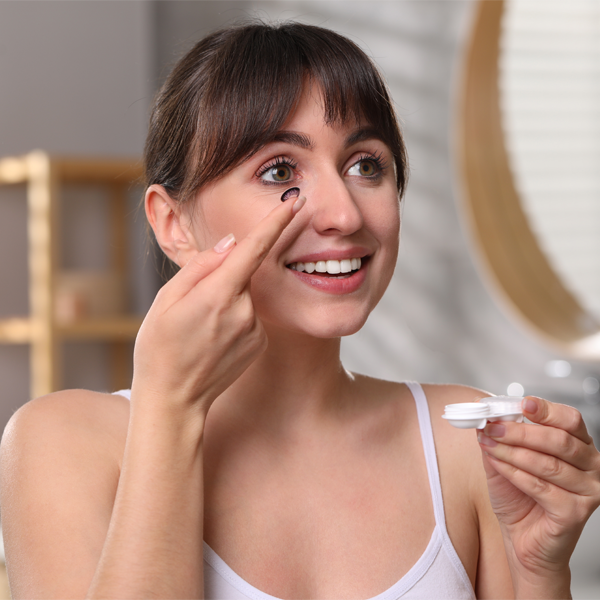
Contact Lens
If you’ve never worn contact lenses before, it can seem a bit intimidating. After all, you’re inserting something into your eye! Let’s ease your mind about the first step – your contact lens exam.

Macular Degeneration
Macular degeneration, commonly referred to as age-related macular degeneration (AMD), is the single largest cause of sight loss in the developed world and affects more than 10 million Americans.
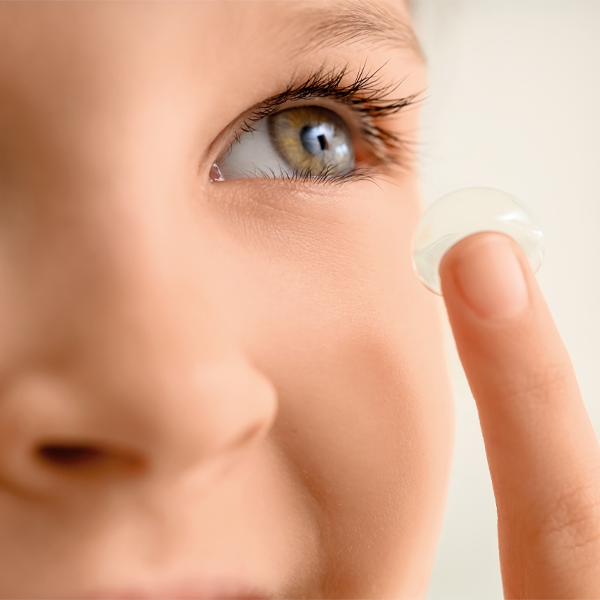
Contact Lens Exams
If you’ve never worn contact lenses before, it can seem a bit intimidating. After all, you’re inserting something into your eye! Let’s ease your mind about the first step – your contact lens exam. This post will walk you through what’s involved in a contact lens exam and what you can expect every step of the way.
Specialty Contact Lenses
Every patient is different and so are their eyes. This means that there need to be different types of contact lenses to suit each individual. Some patients have corneal abnormalities which mean that conventional lenses won’t sit comfortably on the surface of their eyes, while others suffer from eye conditions that mean normal contact lenses won’t be comfortable or could irritate their eyes.

Scleral Contact Lenses
Contact lenses come in a variety of shapes and styles to suit the range of needs for individual patients. What this means is that there is almost certainly a type of contact lens that will both feel comfortable for you and improve your vision.

Myopia Management
Myopia (or nearsightedness) is so common that nearly 50% of North Americans will have myopia by 2030. Myopia happens when the eye grows too fast, too long, and gets weaker. You may know it as blurry vision far away. At our practice, we specialize in pediatric eye care and treat myopia seriously.

Stellest
In September 2025, the FDA approved Stellest lenses for children ages 6 to 12 to correct and manage myopia, a major milestone for myopia care. These lenses have been successfully used in countries across Europe, Canada, and Asia since 2020, showing promising results in slowing eye growth associated with myopia.

MiSight
Over the years, contact lenses have evolved. A new product called MiSight is giving children a new and improved option. MiSight lenses effectively treat myopia, otherwise known as nearsightedness.

Ortho-K
Many patients come to us every day struggling to get through their daily lives with their current choice of vision correction. Some have eyeglasses that do not sit properly on their face or feel that their peripheral vision is hindered by the frames. While contact users may find the lenses uncomfortable or have them fall out at inconvenient times.

Atropine
Myopia is a common vision problem affecting a large number of individuals worldwide. It occurs when the eye is unable to focus properly on distant objects, resulting in blurred vision. Myopia can develop during childhood and progress into adulthood if left unmanaged.

Dry Eye Management
Dry Eye can have a major impact on your quality of life. You may find your eyes get tired faster or you have difficulty reading. Not to mention the discomfort of a burning sensation or blurry vision. Let’s take a look at dry eye treatments – from simple self-care to innovative prescriptions and therapies – to help you see clearly and comfortably.
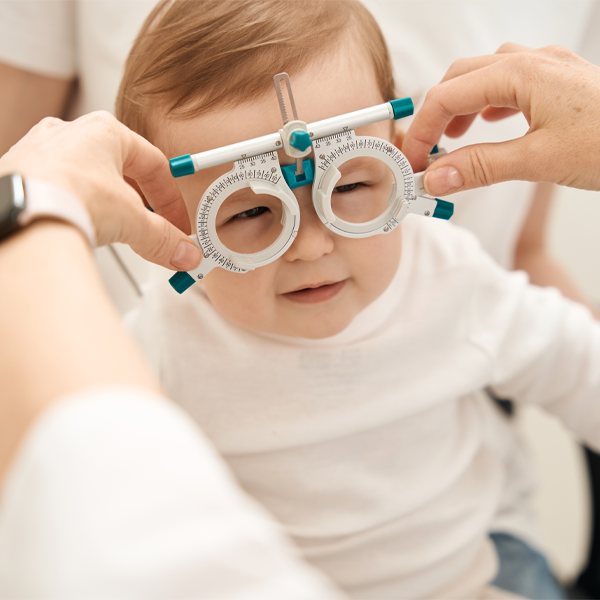
InfantSEE
Your baby’s vision develops quickly during the first year of life and plays an important role in how they learn, move, and interact with the world. Even when a baby’s eyes appear healthy, certain vision or eye health concerns may not be obvious without a comprehensive infant eye assessment. InfantSEE is designed to help identify potential concerns early, giving parents peace of mind and helping children start life with the clearest, healthiest vision possible
© 2026 Six One Six Vision Center. All rights Reserved. Accessibility Statement - Privacy Policy - Sitemap
Powered by:
